

Introduction
Pharmacy spend and over-utilization represent a persistent and growing concern for workers’ compensation and auto casualty. Carriers, employers and third-party administrators are under constant pressure to contain escalating drug costs while maintaining quality care for their injured individuals. For payers managing excessively priced drugs, fraudulent/abusive activity, unnecessary treatment and compliance oversight is critical and the cost of inaction can be exponential.
Want to share this with your team?
Get a PDF copy of this guide to reference as you evaluate pharmacy cost-containment strategies.
Send Email
Table of Contents
- Unpacking the Cost Drivers Behind Pharmacy Spend
- Pharmacy Benefit Management (PBM) Solutions Remain Foundational for Cost Containment
- Unlock Maximum Savings Through PBM and Bill Review Integration
- The Reality Behind Network Penetration
- Lower Drug Costs Do Not Equate to Total Savings
- Early Intervention Strategies Address Costs Before They Escalate
- Targeting Abusive Pricing and High Impact Drugs
- Breaking Down Silos to Control End-to-End Claims Spend
- Conclusion and Takeaways
Unpacking the Cost Drivers Behind Pharmacy Spend
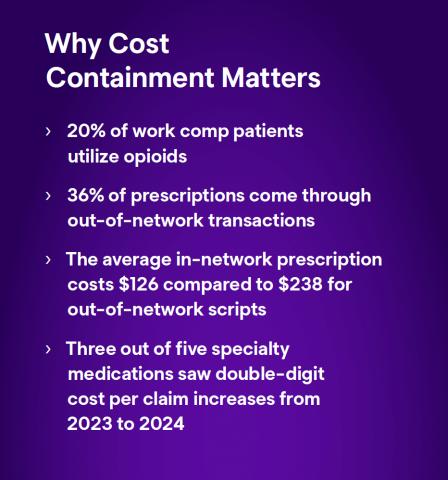
The list of challenges influencing pharmacy spend is lengthy. While opioids continue to see year-over-year declines in utilization and cost, they persist as high impact drugs influencing claim complexity, duration and risk of dependency. Physician dispensing, most frequently handled through bill review systems alone, remains an area of concern with the management of out-of-network prescribing more important than ever to maintain clinical and cost controls. The pharmacy marketplace is also contributing to payer cost drivers with drug price inflation, new specialty high dollar drugs entering the market, the expansion of mail order prescribing channels and increasing abuse-prone dispensing. Couple all these challenges with an administrative agenda that could impact pharmacies, prescription drugs and the P&C industry as a whole, as well as constantly evolving regulation, legislation and judicial developments. Keeping up with these and other challenges is critical for controlling costs.
Pharmacy Benefit Management (PBM) Solutions Remain Foundational for Cost Containment
Pharmacy cost containment requires an experienced workers’ comp- and auto-focused PBM partner that fully understands the complexities of the P&C industry. They must maintain jurisdictional compliance from diverse and frequently changing regulatory requirements across states including enforcement of mandatory utilization review (UR) determinations, state-mandated formularies and injury-specific treatment requirements.
PBMs enforce these and other point-of-sale rules to ensure safe, cost-effective and clinically appropriate dispensing. This includes customized drug utilization review (DUR) edits, workers’ compensation injury-specific formularies, guideline supported protocols and clinical risk assessments. Automated tools, data analytics and clinical support monitor utilization, encourage lower cost therapeutic alternatives and enforce custom plan designs, ultimately applying discounted rates and keeping cost drivers in check.
The bigger challenge lies in the fragmented nature of how prescription care is managed. Traditional PBMs lack the ability to manage 100% of prescription claims utilizing the same in-network clinical and cost controls used for prospective retail point-of-sale transactions when managing out-of-network paper claims typically submitted through the bill review (BR) process. The ability to manage these claims using the same clinical controls can only occur through the seamless combination of bill review and PBM systems. Without this, out-of-network prescription costs, including physician dispensing, will continue to spiral out of control as a result of excessive costs and over-utilization.
Unlock Maximum Savings Through PBM and Bill Review Integration
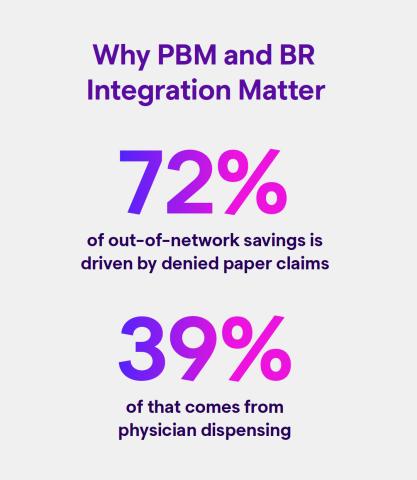
Managing pharmacy spend effectively requires complete oversight of all prescription activity regardless of where or how the transaction originates. Traditional PBMs manage point-of-sale pharmacy claims but leave out-of-network prescriptions to bill review vendors without direct integration or visibility into all bill types. Without this clarity, comprehensive clinical controls are lacking and payers face hidden administrative fees, time consuming manual processes, management of multiple vendors and system gap leakage.
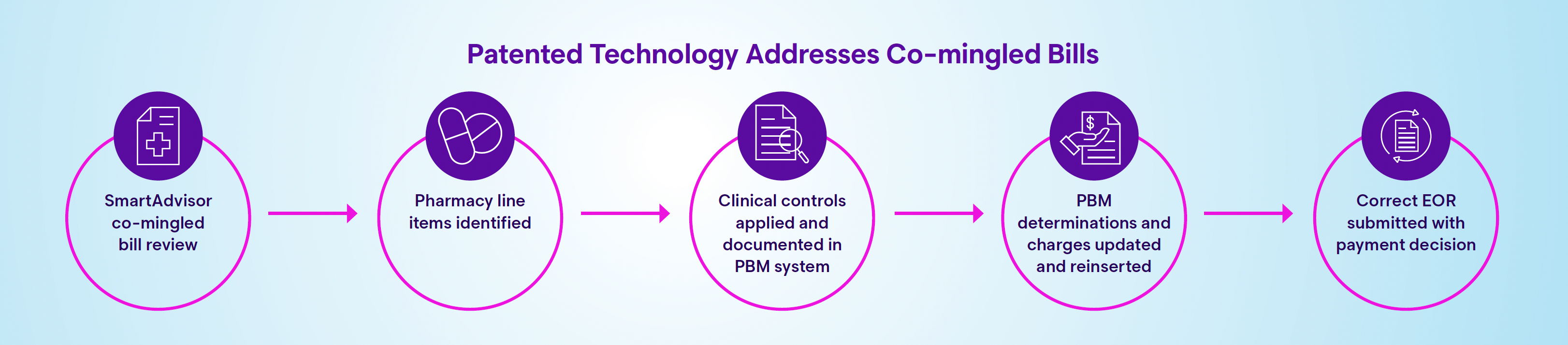
Unmanaged pharmacy charges hidden within co-mingled medical bills can be a significant blind spot in cost containment. When these charges go undetected, payers face inflated out-of-network costs and missed opportunities for clinical oversight and intervention to avoid unnecessary claim costs. By capturing these transactions and channeling them into the same real-time, point-of-sale workflow used for retail point-of-sale prescription claims, subsequent prescriptions can be clinically reviewed and provide the claims professional with clinically based decision support to make an informed payment decision and prevent excessive spend. This approach not only reduces out-of-network spend, but improves network penetration, enhances patient safety and brings previously unmanaged costs back under control.
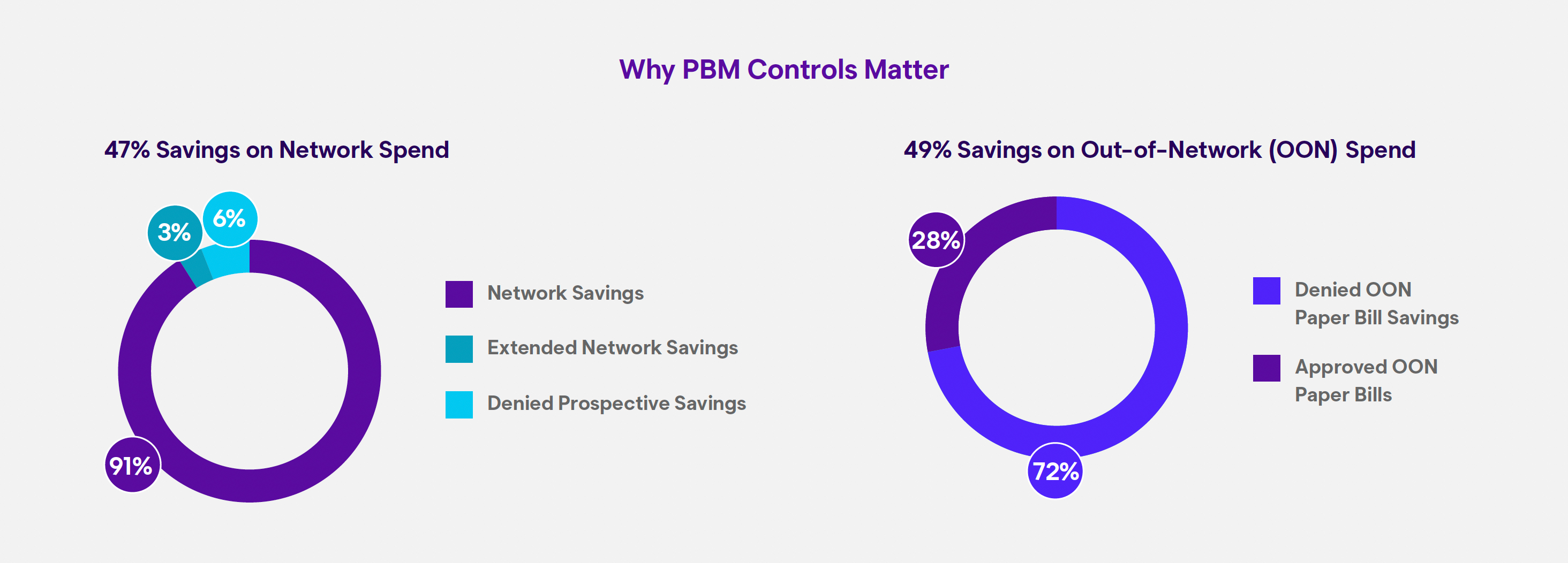
Enlyte’s unique solution seamlessly bridges the gap between point-of-sale prescribing and out-of-network dispensing captured through the bill review process. Comprehensive integration delivers cost containment by enabling 100% utilization management of all prescription transactions including paper-submitted claims, third-party billers and physician-dispensed channels. Enlyte is the only PBM in the industry capable of seamlessly linking these systems and applying real-time clinical oversight across all dispensing channels, eliminating overutilization, excessive drug pricing and reducing spend by up to 49%.
The Reality Behind Network Penetration
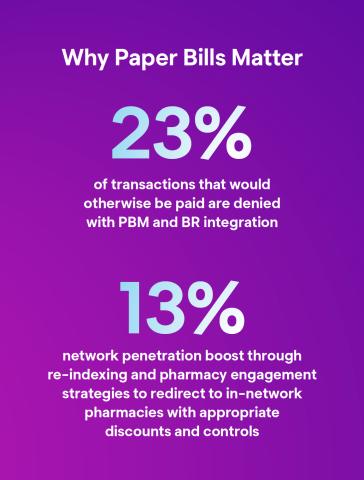
Payers only receive network discounts on prescriptions processed prospectively through the PBM, making network penetration a key performance metric. Traditional PBMs inflate these rates through “TIN flipping” or paying retrospective paper claims at full fee schedule without discounts or clinical controls, then billing payers as if processed prospectively. This practice, combined with inefficient paper bill sorting that misses co-mingled physician invoices, masks true penetration rates and lost savings opportunities.
More critically, out-of-network paper claims have significantly higher rates of inappropriate, overpriced, or injury-unrelated prescriptions compared to prospective channels. Physicians and pharmacies exploiting workers’ compensation systems preferentially bill via paper to avoid scrutiny. Applying PBM clinical strategies to these out-of-network transactions generates denial savings that often equal or exceeds innetwork discount savings.
As the only PBM with integrated bill review capabilities, Enlyte uniquely measures outcomes across all claims—whether submitted through retail network pharmacies, out-of-network providers, physician-dispensed locations, or non-participating mail order pharmacies. This comprehensive visibility enables accurate performance measurement and cost control.
Lower Drug Costs Do Not Equate to Total Savings
The most sustainable cost savings come from ongoing, clinically driven utilization management and not simply the lowest per-script price. While a lower per-script price can look attractive, it fails to address the far greater savings that come from preventing inappropriate use and unnecessary therapies. Avoiding unnecessary claim payments is far more effective than discounts alone. By combining advanced clinical programs, robust data analytics and integrated technology, payers can control total prescription spend through intelligent utilization, ensuring that only appropriate treatments are approved and paid. Early identification of prolonged or excessive use allows unnecessary medications to be discontinued before they drive up costs or create further risks.
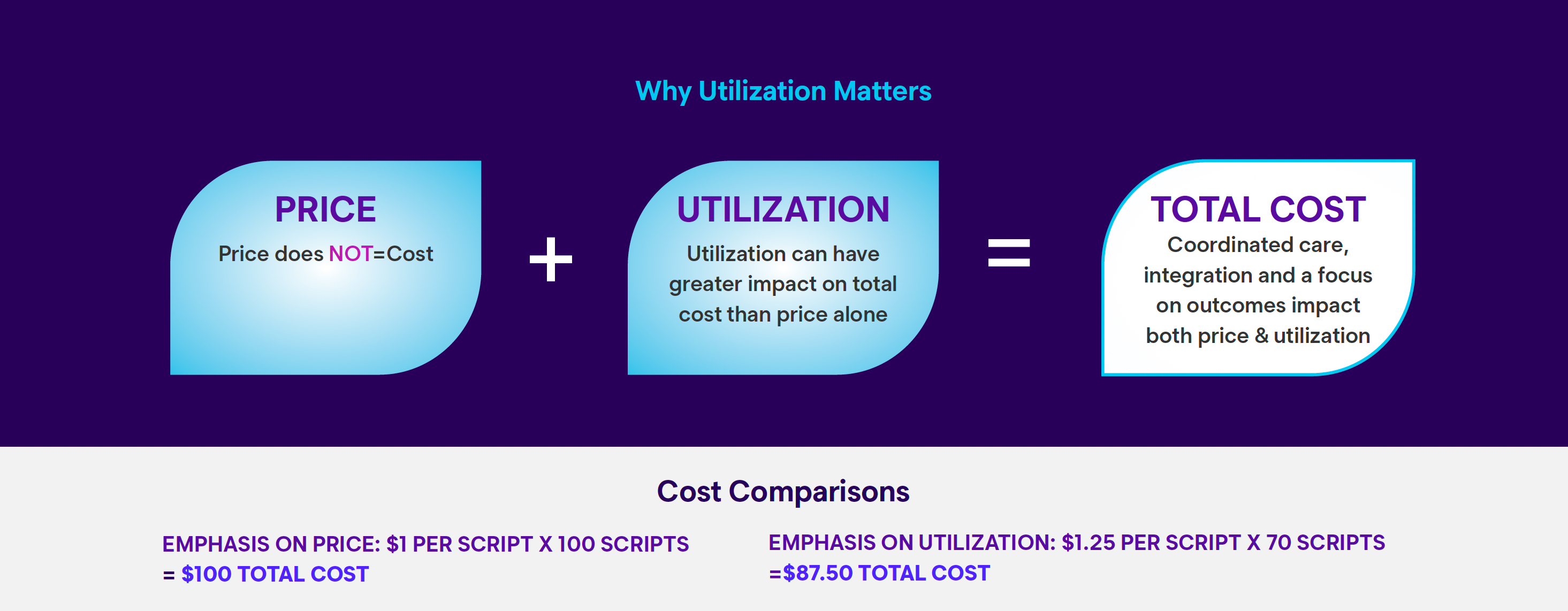
This clinically focused approach consistently delivers deeper, longer-term value. Denying unsafe or low-value drugs not only reduces immediate pharmacy costs but also prevents the downstream medical expenses and extended claim durations these drugs can cause. For example, applying clinical review alone to out-of-network charges has generated 16% to 43% in additional savings by denying inappropriate prescriptions. Managing every prescription decision with clinical intelligence ensures that every dollar spent supports both fiscal responsibility and better recovery outcomes, protecting patients and optimizing claim performance.
Early Intervention Strategies Address Costs Before They Escalate
Despite high-risk claims demonstrating the greatest total claim costs, pharmacy-related risk is often an under identified cost driver. Traditional PBMs underreport a patient’s clinical risk 20% of the time when only considering in-network point-of-sale prescription history in determining risk and recommending interventions. Without visibility into out-of-network prescription history only captured in the bill review process, traditional PBMs lack a complete view of the patient’s history leading to overpayment and missed opportunities for intervention.
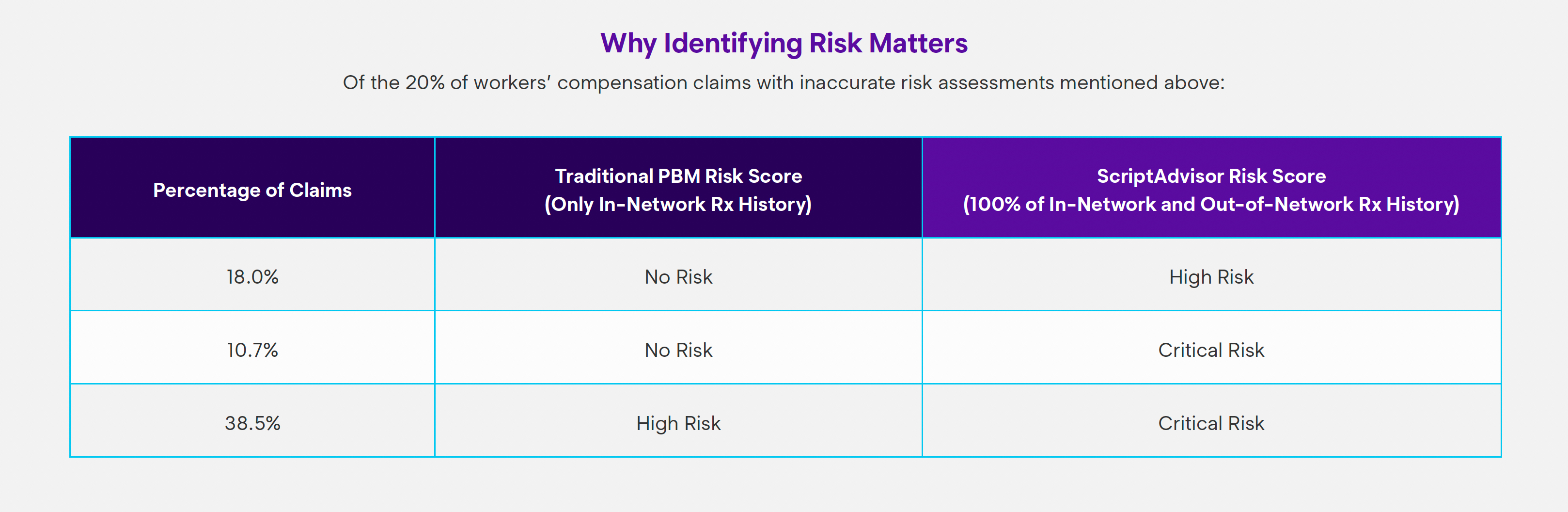
These capabilities are especially critical when managing opioid use, specialty medications and complex comorbidities. Failing to fully account for the claims submitted through out-of-network dispensing can miss inappropriate drug combinations or high-cost, low-value therapies. This leaves a substantial portion of pharmacy spend unmanaged and makes proactive risk identification and intervention a strategic opportunity for better controlling total claim costs for many payers who do not utilize an integrated program today.
Enhanced Clinical Decision Support on Every Claim
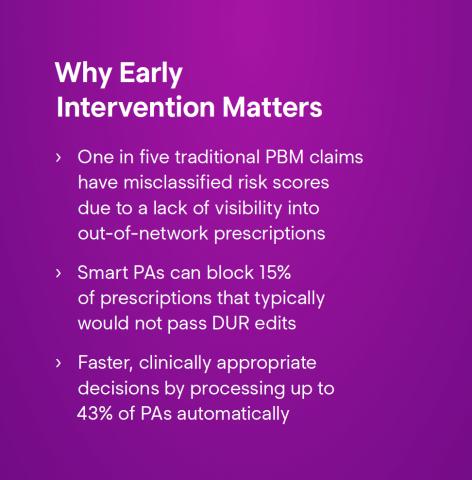
Enlyte’s three-step decision support system identifies high-risk, high-dollar cases at the prescription and claim-level to provide claims examiners real-time alerts and recommendations for appropriate intervention decisions before claims can escalate in severity and cost.
- Smart Risk Scoring: Real-time alerts flag high-risk or high-cost prescriptions. Actionable recommendations enable earlier intervention, informed claim decisions and prevent costly or inappropriate medication use.
- Smart Routing: Automatically directs each claim to the right resource including pharmacists, nurses, UR, or claims examiners based on clinical risk and complexity. High-risk cases get expert review while low-risk claims move quickly, streamlining workflows and maximizing cost-control efforts.
- Smart Prior Authorization (PA): Delivers data-driven recommendations for faster, more accurate medication payment decisions that reduce manual steps, flag unnecessary prescriptions and ensure appropriate care. Approvals or denials can also be automated to further reduce manual touchpoints.
The timely combination of risk scoring, appropriate routing and actionable recommendations ensure the claim is reviewed by the right resource with the right information to control costs and achieve the best result.

Targeting Abusive Pricing and High Impact Drugs
Payers must also pay close attention to abusive prescribing and high impact drug classes that are driving financial and clinical risk. These medications are frequently associated with inflated costs, limited clinical value and increased risk of long-term claim duration or complications. Without targeted strategies to manage these categories, pharmacy spend can spiral and undermine efforts to control costs.
Abusive Drug Pricing
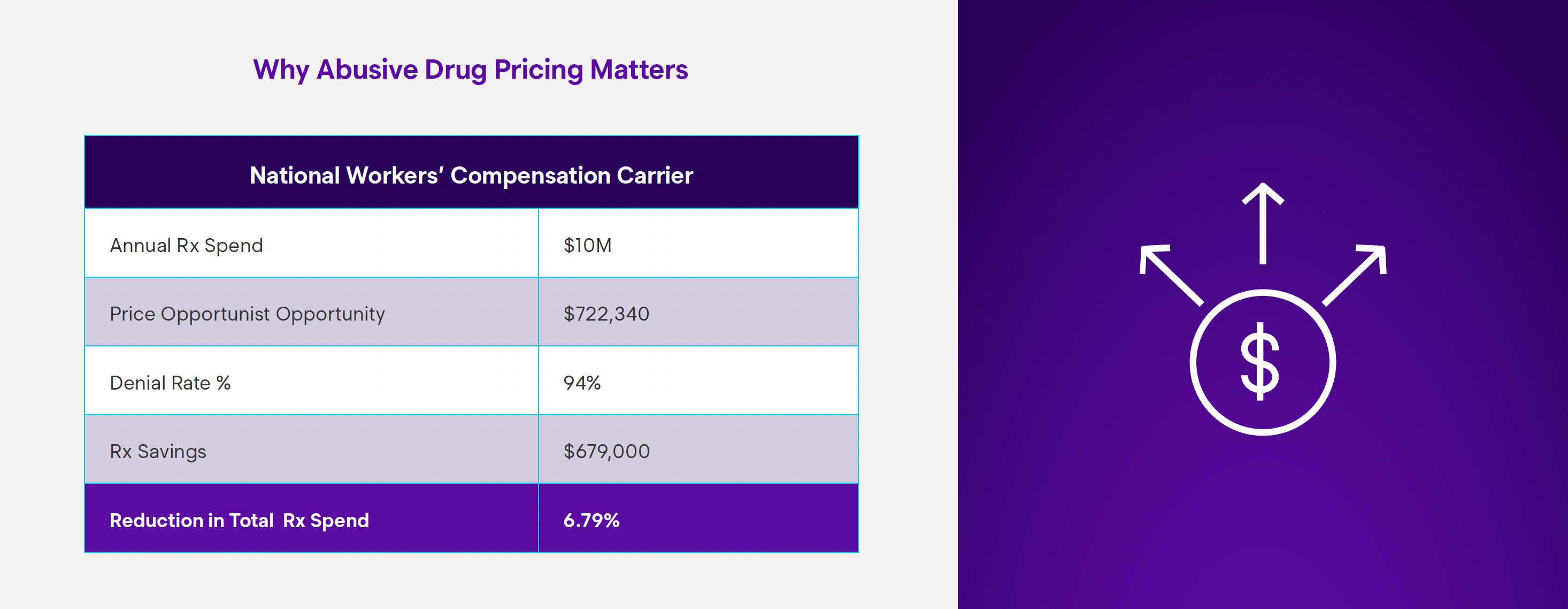
High-cost medications including compounds, combo packs, private label topicals and “designer” dosages mainly coming from out-of-network channels offer little to no additional clinical value compared to more affordable alternatives. Proactively targeting these price opportunists, intervening and denying these prescriptions is critical for cost containment. Automated rejections of these drugs can achieve up to a 94% success rate in blocking wasteful spend.
High Impact Drugs
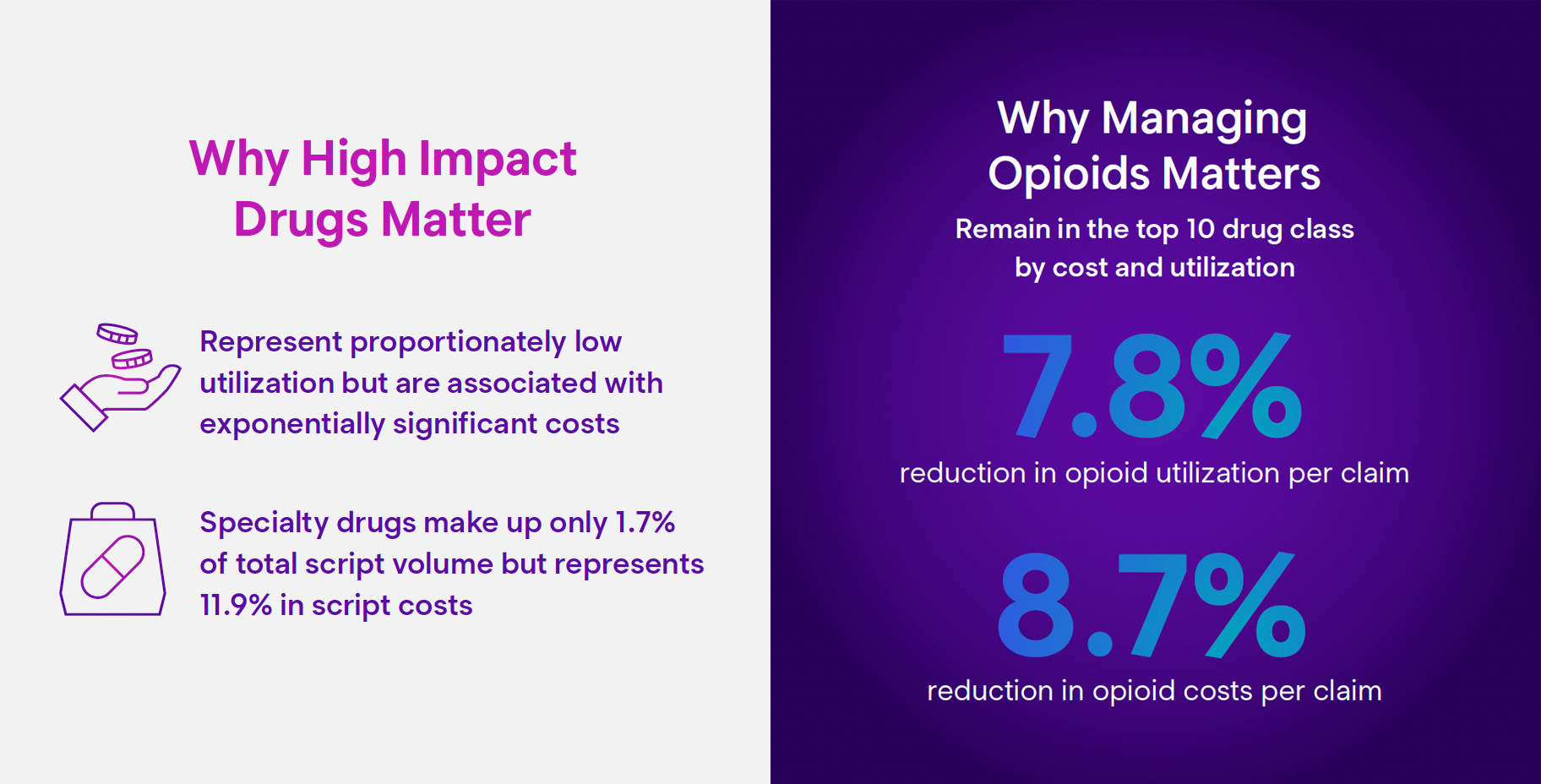
Specialty medications, sedatives, muscle relaxants and similar therapies can quickly drive up claim costs and prolong recovery if not closely managed. Effective cost containment means identifying these high impact drugs early, applying strict clinical oversight and recommending safer, lower-cost alternatives. Dedicated pharmacists can proactively monitor utilization, prescribing guidelines and step therapy protocols to guide prescribers and claims examiners to prevent unnecessary long-term use and ensure high-cost therapies are used only when truly appropriate.
Opioid Management
Opioids are among the most costly and high-risk medications due to their potential for long-term use, dependence and delayed recovery. Opioid management reduces their risks through early intervention, utilization controls and pharmacist-led oversight. First fill restrictions, morphine equivalent dosing (MED) limits and smart prior authorization ensure opioids are prescribed only when appropriate and at safe dosages. Opioid triage further supports targeted outreach and tapering strategies. These combined efforts drive safer prescribing, shorten claim duration and significantly reduce pharmacy spend tied to chronic opioid use.
Breaking Down Silos to Control End-to-End Claims Spend
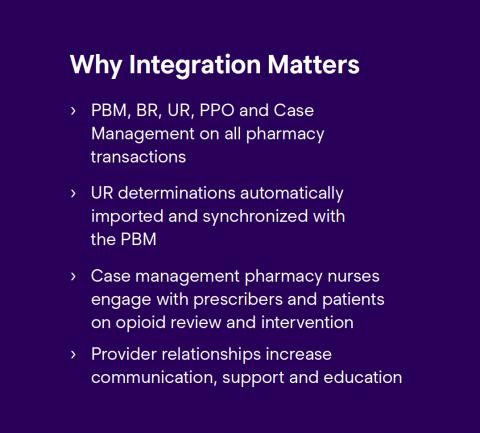
Cost containment also requires a unified approach across the claim. By seamlessly aligning PBM functions with utilization review, case management and provider networks, in addition to bill review, payers achieve end-to-end control. The benefits are far-reaching: improved patient safety, faster return-to-work timelines, reduced claims examiner workloads and most critically, substantial financial savings. These solutions extend the reach and effectiveness of pharmacy oversight by eliminating silos and enabling consistent decision-making across the claim.
Utilization Review
Prescribed medications subject to utilization review benefit from direct integration into the PBM system. Automating and synchronizing UR processes in mandated states and simplifying the decision-making process in jurisdictions where UR is optional ensure only suitable referrals are made, eliminating the cost associated with unnecessary UR for appropriate service spend. It also affirms that UR decisions are enforced on current and future prescription fills to eliminate leakage. This reduces administrative burden, maximizes compliance and clinical efficacy and controls costs.
Case Management
For a more holistic approach medication oversight can extend beyond PBM review alone. Through collaboration with case managers, risk scores and prescription histories can be integrated directly into their case management workflow. Offering this visibility into the patient’s history allows at risk pharmacy claims to be flagged for early intervention by a case manager to coordinate care with the treating physicians. By working as a unified team, the PBM and case management align clinical goals, ensuring prescribing decisions support both better patient outcomes and lower total claim cost.
Provider Networks
Provider relationships move PBMs beyond pharmacy oversight to consultative participants in provider prescribing behavior to further influence cost containment. Provider dialog can reinforce appropriate prescribing patterns, address issues and influence high-cost medication dispensing. Ongoing communication channels enable pharmacological education, alignment with workers’ compensation and auto-specific practices and shared commitments to recovery. Enlyte includes the largest workers’ compensation and auto provider network in the P&C industry, allowing us to partner with providers in this more meaningful way.
Pharmacy Intervention
When more direct peer-to-peer oversight is warranted for at-risk claims, nurses play a pivotal role in controlling cost drivers such as excessive opioid use, high-cost outliers and physician dispensed medications. Nurses bring a broad, patient-centered perspective, engaging directly with prescribers to align treatment with evidence-based guidelines, confirm medical necessity and support safe medication use. Case managers collaborate with claims examiners, conduct patient outreach and recommend alternative lower-cost therapeutic equivalents. This collaboration not only ensures prescriptions are clinically appropriate but also enables interventions that prevent future leakage to control costs. The result is a closed-loop approach where nurse-led actions are enforced and sustained within the PBM system on future fills.

Conclusion
Effective pharmacy benefit management is no longer a stand-alone function and demands a modern, innovative and data-driven approach for better clinical control. To drive meaningful cost containment and improve clinical outcomes, payers must adopt a fully integrated, holistic approach that spans the full spectrum of pharmacy and medical claims management.
Enlyte is the only PBM provider in the industry that achieves this through deep interoperability that provides an efficient and clinically superior strategy resulting in control over complete pharmacy spend. Payers gain the ability to manage every prescription with the same rigor, regardless of how it enters the system. Claims examiners benefit from simplified workflows and enhanced decision support, reducing manual workarounds and improving accuracy. Patients receive safer, more coordinated care, guided by evidence-based protocols and real-time insights. Perhaps most importantly, integrated pharmacy management delivers proven financial results, achieved through consistent clinical controls, intelligent automation and seamless integration.
In a market defined by rising costs, growing complexity, and increased accountability, Enlyte stands apart as a comprehensive solution that transforms pharmacy management from a costly claim management concern into a comprehensive cost containment strategy. Find out how Enlyte can help you gain full control of every pharmacy dollar, because it matters.
Quick Takeaways

- Complete pharmacy oversight prevents leakage and maximizes savings.
- Integration across pharmacy management, bill review, utilization review and case management enable consistent cost control.
- High-impact drug classes deserve targeted strategies to curb outsized costs.
- Utilization management delivers deeper, sustainable savings than price reductions.
- Early intervention and real-time risk scoring stop costly claims before they escalate.
- Collaboration with providers and case managers ensures evidence-based prescribing and better outcomes.
- Comprehensive claims visibility eliminates duplicate payments and captures hidden savings opportunities.
Would you like this emailed to you?
More From Workers’ Comp