

The Challenge: Delayed Recovery & Return to Work
Delayed recovery and return to work (RTW) present significant challenges for claims payers in workers’ compensation, especially as medical and indemnity severity continue to rise year after year due to increasing wages and escalating treatment costs. Delayed recovery and RTW are rooted in a multitude of factors, including mental, social and physical health. These factors are unique to each injured employee, making it impossible to rely on a one-size-fits-all solution. The key to addressing these challenges lies in leveraging information holistically to identify risks early and throughout the claim’s lifecycle, allowing for swift responses with appropriate, proven resources.
Key Factors Driving Claim Complexity, Delayed Recovery and Return to Work
1. Mental Health
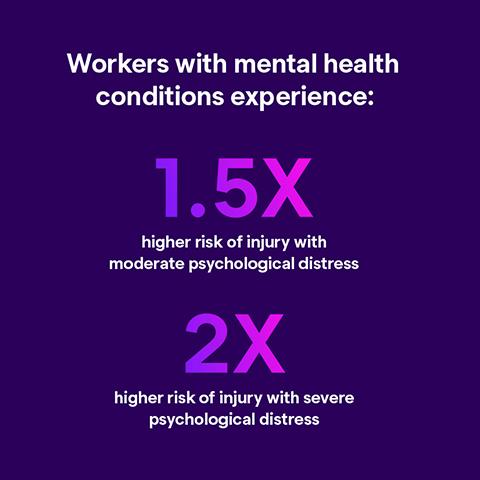
According to Gallup, 1 in 5 working adults in the U.S. rate their mental health as fair or poor. Studies show that poor mental health leads to greater absence from work and may result in work-related injuries. Workers experiencing mental disorder or psychological distress are at an increased risk for occupational injury.¹
The Occupational Health and Safety Administration reports that more than 80% of workers have experienced workplace stress. An Enlyte analysis reveals that 4.1% of the claims reviewed had a documented mental health condition with treatment durations 320% longer and a 692% higher medical spend than claims with no documented mental health condition. Moreover, these figures only account for documented mental health conditions. Given that 20% of working adults have fair to poor mental health, it is evident that injured employees may be struggling with their mental health while recovering from injury but are not receiving treatment through their workers’ compensation claim.
2. Social Determinants of Health
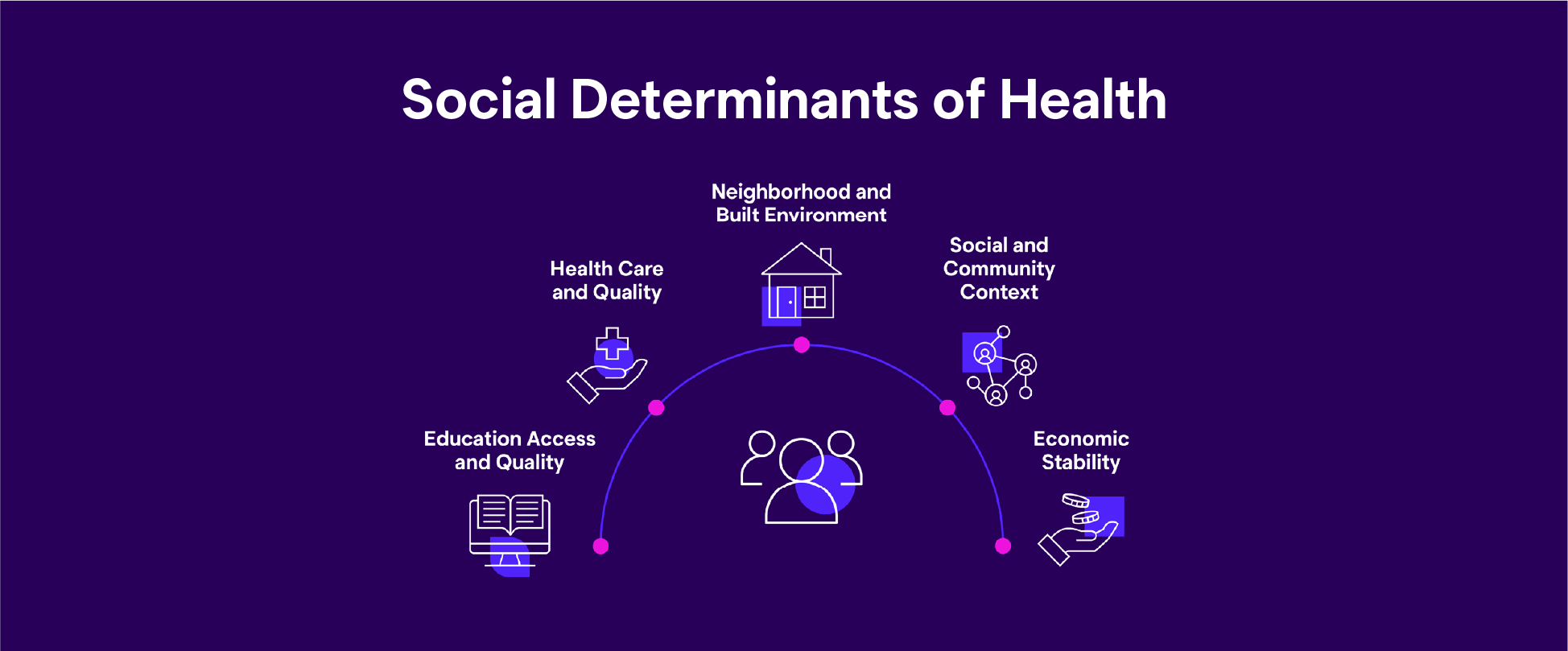
The influence of Social Determinants of Health (SDoH) further complicates claims. Social Determinants of Health are non-medical factors that affect health outcomes. They include the conditions in which people are born, grow, work, live and age. SDoH also includes the broader forces and systems that shape everyday life—conditions like education, health literacy finances, transportation, access to healthy food and health care. For example, with only 12% of U.S. adults possessing proficient health literacy, this inadequacy means that individuals may struggle to understand their diagnoses, treatment options and the implications of their health conditions, resulting in poor health outcomes and delayed recovery. Low health literacy is linked to increased visits to the emergency room, increased hospital stays, less likelihood of following treatment plans and higher mortality rates. Lower health literacy has been associated with worse physical health and depression. Lower patient engagement is associated with worse physical health, depression and anxiety. Unfortunately, SDoH are highly under-reported in workers’ compensation medical bill review data with only .03% documented according to a recent Enlyte study. However, for those documented, there is a 177% higher medical spend and 284% higher treatment duration.²
3. Other Confounding Factors
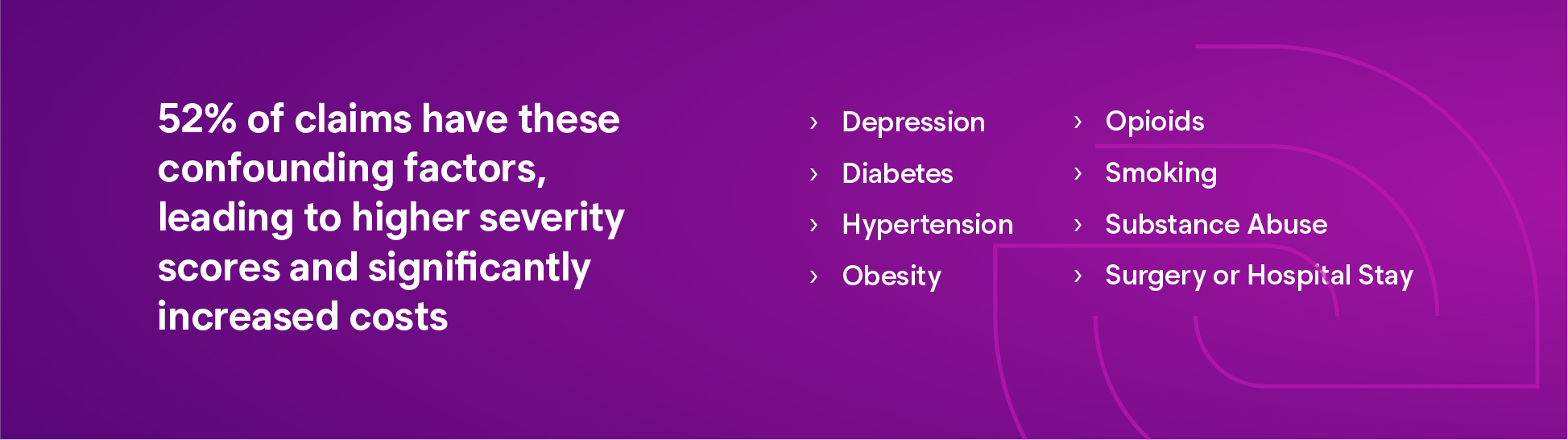
The Official Disability Guidelines (ODG) defines confounding factors as the following: depression, diabetes, hypertension, obesity, opioids, smoking, substance abuse, surgery or hospital stay and legal representation. 52% of claims open for Enlyte case management have documented confounding factors with ODG severity scores 24.4% higher than those without confounding factors.³ A recent WCRI study found that 34% of the 900k+ claims reviewed had attorney representation and experienced a 417% increase in average indemnity benefits paid.⁴
4. Access to Quality Network Providers
Ensuring that injured employees have timely, local access to medical care following a work-related injury is crucial for their recovery and overall well-being. Providing prompt and appropriate medical attention with access to the right specialties is critical to timely recovery and return to work, as well as injured employee satisfaction. According to the American Medical Association (AMA), the U.S. faces a projected shortage of 37,800 to 124,000 physicians within the next decade. This crisis is particularly acute in specialties crucial to the Property and Casualty (P&C) industry, such as orthopedics and neurology. For surgical specialty physicians such as these, the AMA predicts a shortage as high as 30,200 surgeons by 2034. These shortages pose significant challenges for maintaining robust provider networks, especially considering that P&C physician networks are largely comprised of these specialty providers.
In addition, we are currently facing a mental health provider shortage, with over 150 million people in designated shortage areas. In the coming years, the country is expected to lack between 14,280 and 31,109 psychiatrists and other mental health professionals.⁵ Delayed recovery and return to work are influenced by all the factors addressed above and significantly contribute to the complexity, increasing both medical and indemnity costs. Addressing these challenges requires a comprehensive data-backed approach and integrates early intervention strategies. The next section will explore how you can identify and manage complex claims to improve outcomes for injured employees.
Strategies for Identifying and Managing Complex Claims
Integrate Data Across the Life of the Claim
Data assets integrated across the claim lifecycle provide a holistic perspective into the individual, enabling early identification of risk and intervention to prevent claims from becoming more complex. By integrating comprehensive data analysis, Enlyte identifies patterns and trends that inform better decision-making leading to more effective management of complex claims. The application of generative artificial intelligence (AI) holds promise for enhancing capabilities to mine unstructured data and further enhance risk identification processes.
Data integration is also essential for analyzing overall program outcomes, including the reduction of total medical and indemnity claim costs, as well as identifying emerging trends that require proactive initiative and innovative solutions.
Intervene Early
Once risk is identified, clinical intervention such as telephonic, field, or catastrophic case management must happen quickly. The injured employee is much more than a single diagnosis—each unique individual requires a whole-person approach to achieve the best possible outcome. Using a wide lens, general health and wellness and other confounding factors that may impact recovery and return to work can be assessed.
Injured employees need support during their recovery that includes education about their diagnosis and treatment plan, as well as assistance navigating the workers’ compensation system. By educating injured employees, Enlyte empowers them to make informed decisions and actively engage in their recovery process.
Integrate Solutions Across the Life of a Claim
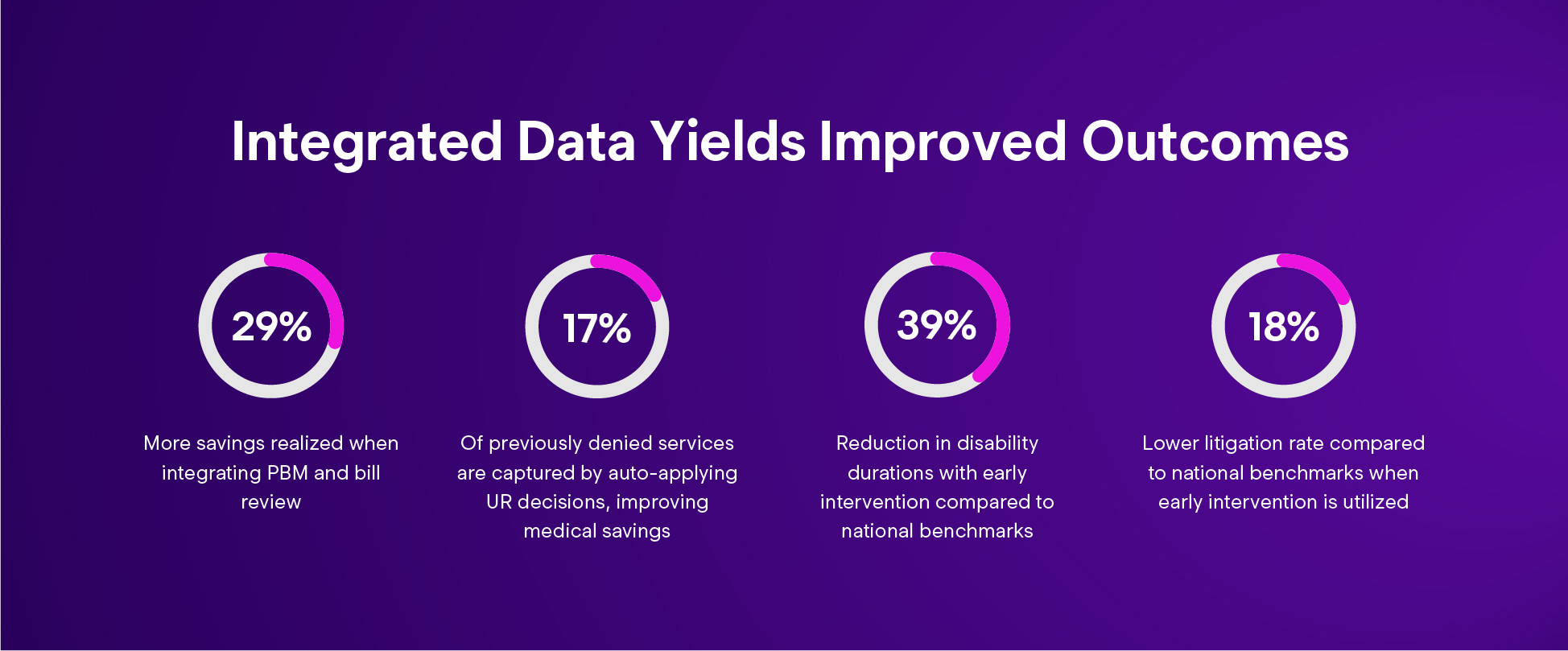
Systems integration across bill review (BR), pharmacy benefit management (PBM), and utilization review (UR) generate data-informed decisions for both case managers and claim handlers.
- Integrating bill review data with pharmacy data provides a total view of pharmacy utilization.
- Utilization review decisions integrated into pharmacy benefit management ensure prompt decisions, fulfillment in an expedient manner, as well as injured employee safety.
- Utilization review decisions electronically integrated within the bill review process ensures consistent application of treatment and reduction in leakage and financial loss, all while increasing operational efficiencies.
Enlyte aggregates data over the life of a claim to generate risk alerts and triggers and help ensure initiative-taking and proficient claims management.
Maintain a Whole-Person View
As an industry, workers’ compensation has come a long way toward understanding the distinct impact mental health can have on injury recovery and return to work. Anyone faced with an injury, unable to work, managing finances on a reduced salary and unsure if they will be able to work again experiences stress and anxiety. By incorporating behavioral coaching techniques, using active listening skills and motivational interviewing, the case manager may be the first to identify mental health concerns. Acknowledging an injured employee’s mental health and providing ongoing support and coaching helps catalyze optimal recovery and return to work.
Case managers also play a critical role in identifying and understanding SDoH. A wholeperson approach to injury management involves the case manager assessing the injured employee’s access to various necessities, such as a support system, healthy food, transportation and housing. This awareness helps expand the broader context of the injured employee’s health to ensure the recovery plan considers all contributing factors. Given the lack of documentation of SDoH in workers’ compensation medical data, case management practices should document and address SDoH.
When identifying barriers, whether physical, mental or social, case managers must address them swiftly and provide the injured employee with the support and advocacy they need to overcome these obstacles.
Implement Pharmacy Triggers and Safeguards
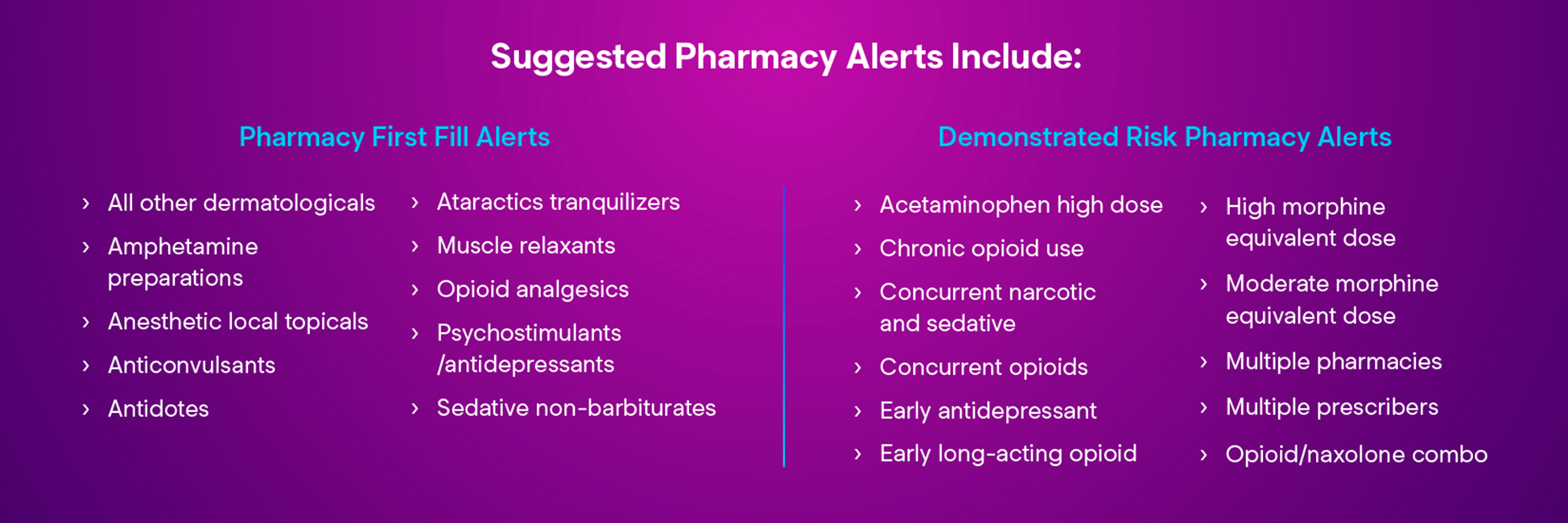
Medication safety is crucial for the optimal recovery of injured employees. Integration of pharmacy benefit management (PBMs) and medical bill review can offer visibility into overall prescribing activity, including post-fill prescriptions from out-of-network pharmacies and physician-dispensed medications to assist case managers with clinical oversight, appropriate utilization management and safety and clinical controls.
Drug intervention should start at the pharmacy to block medications that fall outside of clinical guidelines before they are prescribed. Step therapy programs can start with safer alternatives before “stepping up” to riskier drugs. Risk scoring can flag potential problems before they escalate. When utilization issues are identified, patient-specific guides for weaning should address overutilization, and medication-assisted treatment may be considered for addiction.
Urine drug monitoring can also address commonly abused substances including prescription medications, alcohol and illicit drugs, as well as ensure adherence and identify inconsistencies for prescribed medications. Communicating these drug interactions to the claims handler and/or case manager allows them to promptly address concerns with all parties involved.
Monitoring prescription patterns and intervening, when necessary, helps mitigate risks associated with high-impact drugs and unmanaged prescribing. Enlyte’s insight into pharmacy utilization data and process for alerting claims and clinical staff to potential risk factors allows for prompt intervention strategy development.
Ensure Access to Quality Providers
Giving injured employees timely access to quality providers is crucial for their recovery and overall well-being. Getting injured employees to the right provider quickly can make all the difference in their recovery journey.
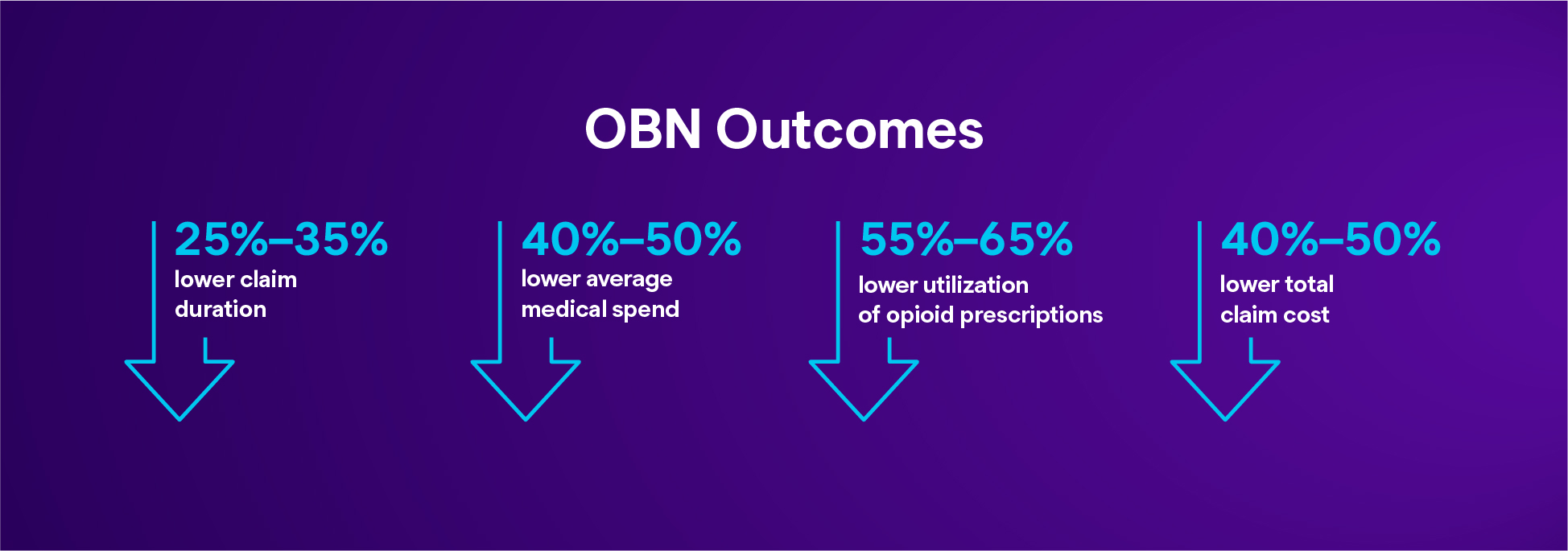
Outcomes-based networks (OBN) are designed to help injured employees by connecting them with providers who have a proven record of success. This network includes workers’ compensation providers who deliver effective patient outcomes and manage claims costs efficiently. Networks should also include mental health providers that cover a wide range of specialties, including psychiatrists, psychologists, counselors, therapists and social workers.
Enlyte’s networks continuously implement innovative strategies to recruit and retain providers with a specific focus on addressing provider gaps and injured employee access, including:
- Investing in network recruiting to ensure a robust pool of effective clinicians, which can help reduce overall workers’ compensation spend.
- Expanding the roles of non-physician providers, such as nurse practitioners, physician assistants and chiropractors to enhance access for less severe cases and allow physicians to focus on complex medical needs.
- Utilizing sophisticated scheduling tools and performance metrics to meet physical medicine demands and ensure timely, evidence-based care. Regulatory efforts like compact licensure and telerehabilitation also support flexible and accessible service delivery.
- Advocating policy changes to reduce barriers to patient care access, such as easing telemedicine restrictions, streamlining licensure and credentialing processes for midlevel providers, and enabling mid-level providers to serve as primary gatekeepers.
- Enhancing provider engagement through training and support to align patient care delivery with administrative tasks, empowering providers to navigate workers’ compensation system complexities effectively.
By focusing on these strategies, Enlyte helps ensure injured employees receive the care they need promptly and efficiently to improve their recovery outcomes.
Utilize Specialty Services to Accelerate Recovery
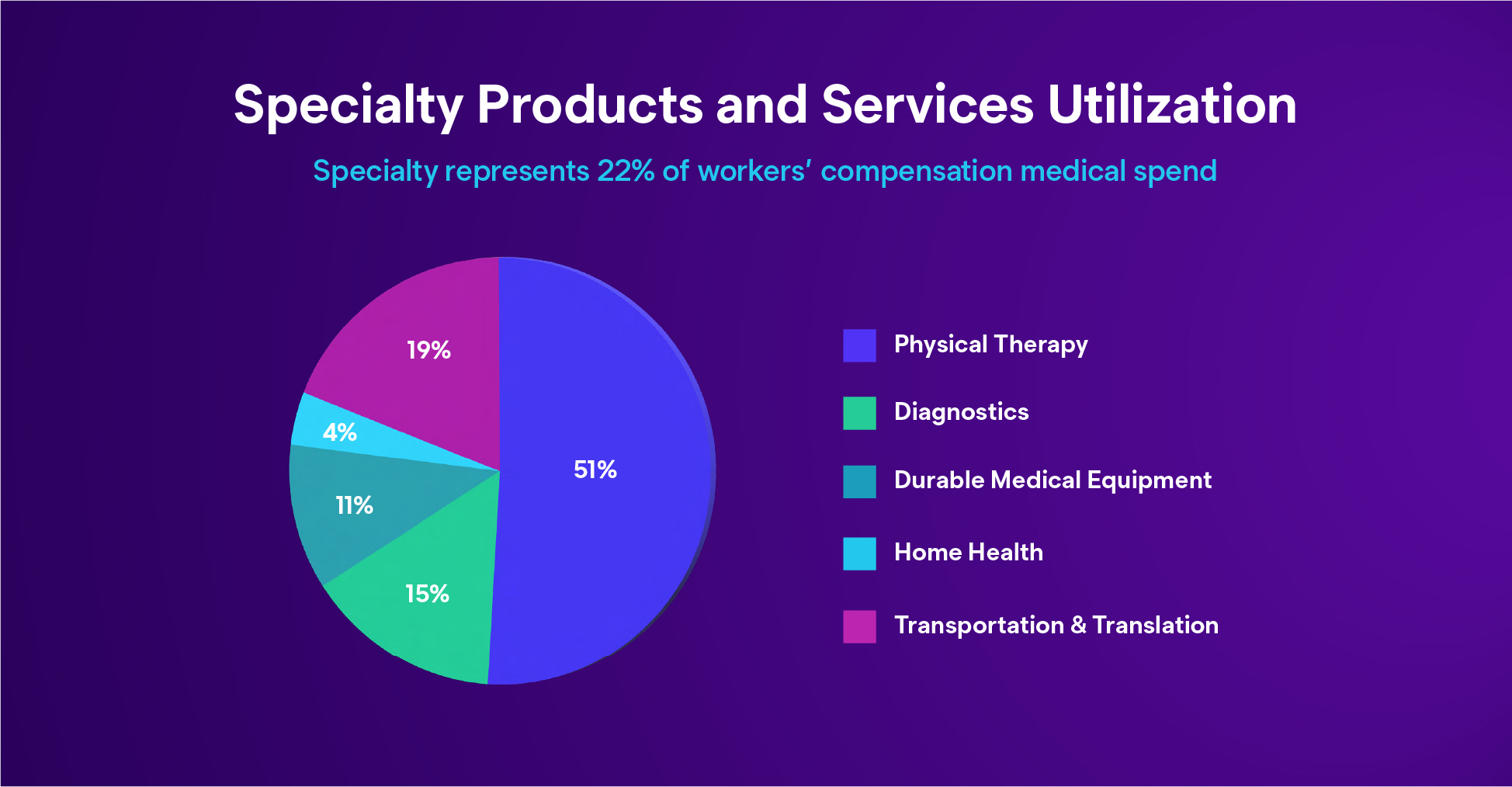
Often overlooked, specialty services can also play a critical role in accelerating recovery process, providing the foundational support needed for injured employees to regain their health and return to productivity. These services include durable medical equipment (DME), physical medicine, home health, home or vehicle modifications, prosthetics, transportation and translation. The way injured employees engage with these services can significantly impact their mental well-being and overall recovery.
Timely access to the right DME is essential, as the complexity and variety of equipment can lead to frustration if not effectively managed. This frustration can affect adherence to recovery efforts and overall satisfaction with the workers’ compensation process. When home or vehicle modifications are necessary, involving patients in the process is key to ensuring they feel empowered and believe in the effectiveness of the changes, which can enhance their mobility and independence.
For those who have undergone amputations, the psychological and emotional benefits of using prosthetics to return to their perceived “old self” are immense. The use of prosthetics can also aid in the grieving process and reduce the likelihood of prosthetic rejection.
Over half of workers’ compensation specialty services involve physical therapy to return injured employees to their highest level of physical functioning. However, poor therapy adherence and prolonged treatment can unnecessarily extend claim durations and costs. Clinical oversight is vital to evaluate progress, ensure physical therapy treatment aligns with nationally recognized clinical guidelines and address any risks, ensuring that employees stay on track with their recovery. Physical therapists are another excellent resource to identify potential mental health concerns and other social determinants of health. Documentation and communication of barriers can lead to timely intervention to prevent delayed recovery.
Translation services are particularly important for improving an injured employee’s health literacy. When injured employees can communicate effectively with their health care providers, they are better able to understand their diagnoses, treatment options and the implications of their health conditions. This understanding can lead to better health outcomes and a smoother recovery process. Reliable access to translation services can build trust and provide peace of mind, which can positively influence the trajectory of a claim.
By ensuring timely access to specialty services and addressing the unique needs of each injured employee, Enlyte helps enhance mental well-being, improve health literacy, and facilitate a smoother and more effective recovery process. Recognizing and integrating these specialty services into claims management can make a substantial difference in overall outcomes.
Conclusion
The challenges of delayed recovery and return to work are significant, yet not insurmountable when using the right strategies. By leveraging comprehensive data and insights, you can identify risks early in a claim’s lifecycle and respond swiftly with proven resources. A holistic approach that addresses the unique mental, social and physical health factors of each injured employee is essential for ensuring personalized and effective solutions.
Now is the time to take action. Embrace these innovative approaches and make a meaningful impact on the recovery and return to work process. Together, we can achieve a future where every injured employee receives the support they need to recover and thrive.

References
McAninch, J., Greene, C., Sorkin, J. D., Lavoie, M. C., & Smith, G. S. (2014). Higher psychological distress is associated with unintentional injuries in US adults. Injury Prevention, 20(4), 258–265.
Enlyte analysis of 1.3M claims with 2023 date of injury at 18-months valuation reviewing mental health diagnoses
Enlyte analysis of 49k managed claims in 2023 reviewing comorbidities and confounding factors
Impact of Attorney Representation on Workers’ Compensation Payments, WCRI, September 2024
AAMC. (2022, August 9). A growing psychiatrist shortage and an enormous demand for mental health. services. https://www.aamc.org/news/growing-psychiatrist-shortage-enormous-demand-mentalhealth-services
Would you like this emailed to you?
More From Workers’ Comp