

AI and the Next Generation of Provider Networks: Redefining Performance, Consistency and Decision-Making

Kate Farley-Agee
Vice President, Product Management
As variability in access and care delivery increases, the next phase of network evolution is being defined by how effectively organizations can manage that complexity. In 2026, AI and advanced analytics are becoming central to this shift, transforming provider networks from static structures into continuously optimized systems.
Provider networks are increasingly functioning as a defined infrastructure, continuously monitoring the provider environment rather than simple pricing mechanisms. They shape how care is accessed, how providers are selected, and how outcomes are delivered across the life of a claim.
“Provider networks are evolving from pricing tools into performance infrastructure.”
This represents a significant departure from traditional network models. Historically, networks were built at a point in time, with contracts negotiated and providers added into fixed hierarchies. Over time, as market conditions changed, those static structures often lost performance.
Today, modern network management is evolving toward a more dynamic approach. Networks are continuously monitored, evaluated, and refined to maintain access, relationships, pricing competitiveness, and overall performance as provider markets shift.
“Static networks lose value over time. Modern networks continuously adapt to maintain performance.”
AI and analytics are enabling this transition in several important ways.
One of the most impactful developments is the ability to proactively identify and manage network performance over time. Rather than relying on retrospective analysis, organizations can now monitor contract performance, detect pricing anomalies, and identify emerging access gaps before they affect claim outcomes.
“The shift from reactive to proactive network management is defining the next generation of performance.”
This shift is particularly important because different models influence claims at different points in the care lifecycle. Some approaches focus on reimbursement after services are delivered, while others influence provider selection and care pathways before care begins. The latter creates greater opportunity to shape outcomes, reduce variation, increase care efficiency and improve overall claim performance.
“Where control is applied, before or after care, is becoming a defining factor in network performance.”
At the same time, data-driven provider evaluation is becoming more sophisticated. Networks are increasingly using analytics to assess providers across multiple dimensions, including treatment patterns, medical and service utilization, claim duration, and total cost of care. This allows organizations to identify providers who consistently deliver more efficient and coordinated outcomes.
“The future of networks is not just about negotiated rates, it is about identifying which providers deliver the best outcomes.”
Coventry OBN High-Performing Providers

This evolution reflects a broader shift in how network value is defined. The focus is moving away from unit price alone toward total claim performance. While pricing transparency remains important, it is increasingly clear that pricing alone does not create consistency. Alignment across providers, care pathways, and network strategy remains a critical driver of predictable outcomes.
“Pricing transparency does not guarantee performance, alignment does.”
To support this, organizations are adopting more comprehensive ways to measure network performance. Rather than evaluating savings or access in isolation, newer approaches combine both dimensions to understand total impact.
Provider engagement also remains a critical component of this evolution. Strong provider relationships contribute to higher participation, more consistent adherence to network expectations, and reduced administrative friction. When providers know what to expect and know where to go for additional explanation, the relationship is strengthened and providers are more likely to continue to deliver better claim outcomes.
“Engaged providers reduce administrative friction and improve overall system performance.”
These capabilities are supported by broader investments in provider data management, contract oversight, and regulatory alignment. Maintaining accurate provider data, ensuring compliance with evolving regulations, and anticipating industry changes are becoming essential to sustaining network performance over time.
Taken together, these trends point to a clear shift in 2026. Provider networks are no longer static tools for accessing discounted rates. They are becoming continuously optimized systems designed to manage variability, improve decision-making, and deliver more consistent outcomes across increasingly complex care environments.
“The next era of network performance will be defined by the ability to reduce variability across access, cost, and outcomes.”
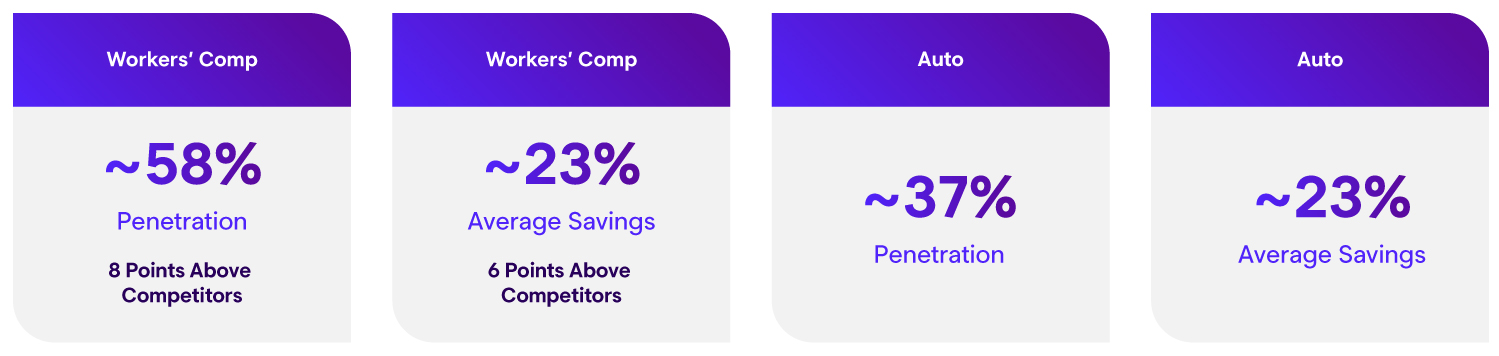
Source: Coventry Integrated Network Data
Key Takeaways for Claims Leaders
- Provider networks are shifting from pricing tools to performance infrastructure. Network value is increasingly defined by outcomes, consistency, and predictability — not unit price alone.
- Static networks lose value over time. Continuous monitoring and optimization are required to manage access gaps, pricing drift, and performance variation as markets change.
- Where control is applied matters. Networks that influence provider selection and care pathways before care begins have greater impact on claim duration, utilization, and total cost.
- High‑performing providers deliver materially better outcomes. Data shows significant reductions in medical cost, claim duration, total claim cost, and opioid use when care is directed to consistently performing providers.
- Pricing transparency alone does not ensure performance. Alignment across providers, contracts, and network expectations is critical to reducing variability.
- AI and advanced analytics enable proactive network management. Continuous performance monitoring allows organizations to identify emerging risks and act before outcomes deteriorate.